1. Berger ML, Murray JF, Xu J, Pauly M. Alternative valuations of work loss and productivity. J Occup Environ Med. 2001; 43(1): 18 - 24. doi: 10.1097/00043764-200101000-00005.
2. Brandt-Rauf P, Burton WN, McCunney RJ. Health, productivity, and occupational medicine. J Occup Environ Med. 2001; 43(1): 1. doi: 10.1097/00043764-200101000-00001.
3. Poston WS, Jitnarin N, Haddock CK, Jahnke SA, Tuley BC. Obesity and injury-related absenteeism in a population-based firefighter cohort. Obesity (Silver Spring). 2011; 19(10): 2076 - 2081. doi: 10.1038/oby.2011.147.
4. Skagen K, Collins AM. The consequences of sickness presenteeism on health and wellbeing over time: A systematic review. Soc Sci Med. 2016; 161: 169 - 177. doi: 10.1016/j.socscimed.2016.06.005.
5. Feeney A, North F, Head J, Canner R, Marmot M. Socioeconomic and sex differentials in reason for sickness absence from the Whitehall II Study. Occup Environ Med. 1998; 55(2): 91 - 98. doi: 10.1136/oem.55.2.91.
6. https://www.who.int/ru/news-room/fact-sheets/detail/influenza-(seasonal).
7. Mohren DC, Swaen GM, Kant I, van Schayck CP, Galama JM. Fatigue and job stress as predictors for sickness absence during common infections. Int J Behav Med. 2005; 12(1): 11 - 20. doi: 10.1207/s15327558ijbm1201_2.
8. Schanzer DL, Zheng H, Gilmore J. Statistical estimates of absenteeism attributable to seasonal and pandemic influenza from the Canadian Labour Force Survey. BMC Infect Dis. 2011; 11:90. doi: 10.1186/1471-2334-11-90.
9. https://iwpr.org/wp-content/uploads/2020/11/B284.pdf
10. https://iwpr.org/wp-content/uploads/2021/01/B248.pdf
11. Edwards CH, Tomba GS, de Blasio BF. Influenza in workplaces: transmission, workers' adherence to sick leave advice and European sick leave recommendations. Eur J Public Health. 2016; 26(3): 478 - 485. doi: 10.1093/eurpub/ckw031.
12. Fendrick AM, Monto AS, Nightengale B, Sarnes M. The economic burden of noninfluenza-related viral respiratory tract infection in the United States. Arch Intern Med. 2003; 163(4): 487 - 494. doi: 10.1001/archinte. 163.4.487.
13. Lynd LD, Goeree R, O'Brien BJ. Antiviral agents for influenza: a comparison of cost-effectiveness data. Pharmacoeconomics. 2005; 23(11): 1083 - 1106. doi: 10.2165/00019053-200523110-00003.
14. Economic and social impact of epidemic and pandemic influenza. Vaccine. 2006; 24(44 - 46): 6776 - 6778. doi: 10.1016/j.vaccine.2006.06.072.
15. Molinari NA, Ortega-Sanchez IR, Messonnier ML, et al. The annual impact of seasonal influenza in the US: measuring disease burden and costs. Vaccine. 2007; 25(27): 5086 - 5096. doi: 10.1016/j.vaccine.2007.03.046.
16. Palmer LA, Rousculp MD, Johnston SS, Mahadevia PJ, Nichol KL. Effect of influenza-like illness and other wintertime respiratory illnesses on worker productivity: The child and household influenza-illness and employee function (CHIEF) study. Vaccine. 2010; 28(31): 5049 - 5056. doi: 10.1016/j. vaccine.2010.05.011.
17. Tsai Y, Zhou F, Kim IK. The burden of influenza-like illness in the US workforce. Occup Med (bond). 2014; 64(5): 341 - 347. doi: 10.1093/occmed/kqu022.
18. Fendrick AM, Jinnett K, Parry T. (2011) Synergies at Work: Realizing the Full Value of Health Investments. San Francisco, CA: Integrated Benefits Institute/Center for Value-Based Insurance Design.
19. Goetzel RZ, Long SR, Ozminkowski RJ, Hawkins K, Wang S, Lynch W. Health, absence, disability, and presenteeism cost estimates of certain physical and mental health conditions affecting U.S. employers. J Occup Environ Med. 2004; 46(4): 398 - 412. doi: 10.1097/01. .0000121151.40413.bd.
20. Johns G. Presenteeism in the workplace: A review and research agenda. Journal of Organizational Behavior. 2010; 31(4): 519 - 542.
21. Smith A, Thomas M, Whitney H. Effects of upper respiratory tract illnesses on mood and performance over the working day. Ergonomics. 2000; 43(6): 752 - 763. doi: 10.1080/001401300404724.
22. Smith A, Brice C, Leach A, Tiley M, Williamson S. Effects of upper respiratory tract illnesses in a working population. Ergonomics. 2004; 47(4): 363 - 369. doi: 10.1080/0014013032000157887.
23. Keech M, Scott AJ, Ryan PJ. The impact of influenza and influenza-like illness on productivity and healthcare resource utilization in a working population. Occup Med (bond). 1998; 48(2): 85 - 90. doi: 10.1093/occmed/48.2.85.
24. Hansen CD, Andersen JH. Going ill to work - what personal circumstances, attitudes and work-related factors are associated with sickness presenteeism? Soc Sci Med. 2008; 67(6): 956 - 964. doi: 10.1016/j.socscimed.2008.05.022.
25.  M, Head J, Ferrie JE, et al. Working while ill as a risk factor for serious coronary events: the Whitehall II study. Am J Public Health. 2005; 95(1): 98 - 102. doi: 10.2105/AJPH.2003.035873.
26. Bramley TJ, Lerner D, Sarnes M. Productivity losses related to the common cold. J Occup Environ Med. 2002; 44(9): 822 - 829. doi: 10.1097/00043764-200209000-00004.
27. National Health and Medical Research Council. (2010) Australian Guidelines for the Prevention and Control of Infection in Healthcare. Canberra, ACT: NHMRC.
28. Pratt RJ, Pellowe CM, Wilson JA, et al. epic2: National evidence-based guidelines for preventing healthcare-associated infections in NHS hospitals in England. J Hosp Infect. 2007; 65 Suppl 1: S1 - S64. doi: 10.1016/S0195-6701(07)60002-4.
29. Hansen S, Zimmerman P, van de, Mortel T. Assessing workplace infectious illness management in Australian workplaces. Infection, Disease and Health. 2017; 22(1): 12 - 20.
30. Riva MA, Paladino ME, Paleari A, Belingheri M. Workplace COVID-19 vaccination, challenges and opportunities. Occup Med (Lond). 2022; 72(4): 235 - 237. doi: 10.1093/occmed/kqab080.
31. Nowrouzi-Kia B, Haritos AM, Long BS, et al. Remote work transition amidst COVID-19: Impacts on presenteeism, absenteeism, and worker well-being-A scoping review. PLoS One. 2024; 19(7): e0307087. doi: 10.1371/joumal.pone.0307087.
32. Kowalski G, 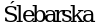 K. Remote Working and Work Effectiveness: A Leader Perspective. Int J Environ Res Public Health. 2022; 19(22): 15326. doi: 10.3390/ijerph192215326.
33. Ruskin KJ, Ruskin AC, Musselman BT, Harvey JR, Nesthus TE, O'Connor M. COVID-19, Personal Protective Equipment, and Human Performance. Anesthesiology. 2021; 134(4): 518 - 525. doi: 10.1097/ALN.0000000000003684.
34. Dhama K, Patel SK, Kumar R, et al. The role of disinfectants and sanitizers during COVID-19 pandemic: advantages and deleterious effects on humans and the environment. Environ Sci Pollut Res Int. 2021; 28(26): 34211 - 34228. doi: 10.1007/sll356-021-14429-w.
- Гражданский кодекс (ГК РФ)
- Жилищный кодекс (ЖК РФ)
- Налоговый кодекс (НК РФ)
- Трудовой кодекс (ТК РФ)
- Уголовный кодекс (УК РФ)
- Бюджетный кодекс (БК РФ)
- Арбитражный процессуальный кодекс
- Конституция РФ
- Земельный кодекс (ЗК РФ)
- Лесной кодекс (ЛК РФ)
- Семейный кодекс (СК РФ)
- Уголовно-исполнительный кодекс
- Уголовно-процессуальный кодекс
- Производственный календарь на 2025 год
- МРОТ 2026
- ФЗ «О банкротстве»
- О защите прав потребителей (ЗОЗПП)
- Об исполнительном производстве
- О персональных данных
- О налогах на имущество физических лиц
- О средствах массовой информации
- Производственный календарь на 2026 год
- Федеральный закон "О полиции" N 3-ФЗ
- Расходы организации ПБУ 10/99
- Минимальный размер оплаты труда (МРОТ)
- Календарь бухгалтера на 2026 год
- Частичная мобилизация: обзор новостей
- Постановление Правительства РФ N 1875